


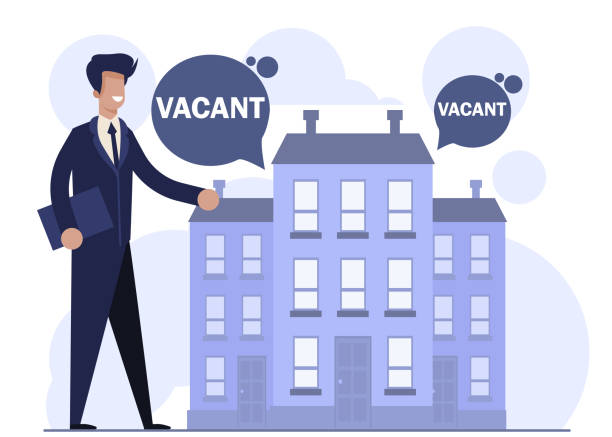

Why Homes Go Vacant
Due to economic downturns and demographic changes, vacant homes are increasing in metro and small towns. Owners may move, inherit property, or lose loved ones, but the longer a home remains vacant, the more complex the situation becomes.
Property owners in situations like these frequently look for efficient solutions that ease the burden of management and maintenance. That’s where approaches such as selling on short notice become relevant, and some organizations can provide relief by stating, we buy any house, offering to purchase vacant or inherited homes quickly and without the stress of long market listings. Understanding the causes of vacancy, such as relocation, inheritance disputes, or shifting rental markets, is crucial for an informed plan of action to avoid escalating issues.
Biggest Risks of Vacancy
Leaving a home empty can pose risks to the owner, including potential burglary, theft, and break-ins. Daily issues like leaking pipes can escalate into major repairs. Insurance providers may not cover losses if a house is vacated for over 30-60 days without notification, making the owner responsible for any incidents of vandalism, fire, or water damage. This can further exacerbate their stress and financial burden.
Owner Responsibilities for Vacant Properties
Homeowners are responsible for maintaining their properties, even when they are empty. Cities and towns enforce strict codes to maintain safety, hygiene, and community appearance. Failure to comply can lead to fines, citations, or court action. For inherited homes, these responsibilities can be overwhelming, especially when families are coping with loss. In such cases, working with companies that buy houses for cash can provide a quicker way to transfer ownership and relieve the ongoing maintenance burden. This approach can also help prevent properties from falling into disrepair and becoming a liability for the family.
Financial and Community Impact
Vacancy costs owners money, including mortgage bills, insurance, property taxes, utilities, and maintenance fees. Neglected maintenance can lower a home’s value, making buyers wary. Vacant homes can undermine community stability, cause declining property values, increase criminal activity, and pose fire risks. Even diligent homeowners may lose investments due to abandoned properties, causing the local housing market to stagnate and worsening economic challenges.
Why Acting Quickly Matters
Rapid action is crucial when managing vacant homes, as cities often penalize neglect, and insurance policies may be void if left unoccupied. Proactive management can turn a costly liability into an opportunity, allowing owners to arrange repairs, choose the best sale course, and generate income. This approach reduces stress, saves money, and strengthens relationships with neighbors and authorities.
Ways to Secure or Sell Vacant Homes
To secure or sell vacant homes, consider physical security measures like installing deadbolts, alarm systems, and security cameras. Regular inspections can identify signs of leaks, vandalism, storm damage, pest infestations, and mechanical failures. Maintaining a tidy landscape can prevent code violations. Financial and legal strategies include consulting insurance, local authorities, and quick cash sales. Community engagement through community watch programs and temporary use can help deter crime and maintain a sense of community.
