


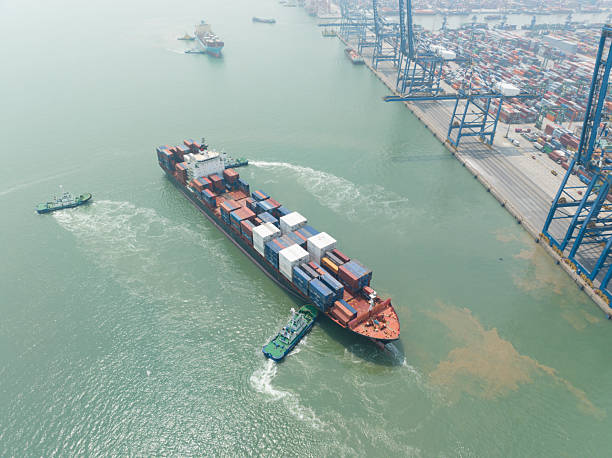

Cross-border shipping is crucial for global commerce, enabling businesses to reach international markets and meet consumer demands. However, it presents logistical, regulatory, and operational challenges. Companies must navigate customs procedures, manage documentation, and ensure timely delivery for success. As global trade expands, finding practical, scalable solutions is crucial. Strategic planning and adaptive logistics models are key to building resilient, efficient, competitive operations.
In our interconnected world, cross-border shipping is more vital than ever. It facilitates the global exchange of goods, connects markets, and underpins international trade. Yet, this process is fraught with intricacies requiring keen navigation for small or large businesses. Understanding these complexities is crucial for success, especially if exporting to CA. Cross-border shipping is not merely a logistical operation but a strategic maneuver involving multiple facets, from regulatory adherence to partnership management.
The intricacies of cross-border shipping extend beyond simply transporting products. Businesses must orchestrate a symphony of compliant documentation, regulatory insights, and multi-channel communication to ensure precision and timeliness. The ramifications of this complexity are felt across industries, affecting supply chains, consumer satisfaction, and competitive advantage. Embracing practical solutions and maintaining a proactive stance enables companies to navigate these waters efficiently.
Understanding Customs Regulations
The foundation of complying with international commerce restrictions is customs laws. But these guidelines aren’t always applicable. Companies must know and follow every nation’s unique import and export regulations. Keeping abreast of these requirements is crucial since even small mistakes might result in severe penalties and delays. Consider, for example, a situation where a regulation changes without much public notice—businesses that routinely check customs compliance tips are better equipped to adjust quickly and avoid potential pitfalls.
Furthermore, geopolitical factors, economic alliances, and trade wars can influence these regulations, causing them to evolve swiftly. Companies engaged in continuous learning and employing dedicated compliance teams often find themselves more agile and resilient in the face of such changes. Employers can facilitate this by encouraging staff training sessions and subscribing to updates from authoritative sources. Leveraging professional networks to gain insights into granular regulatory shifts is another effective strategy to maintain compliance.
Essential Documentation for Smooth Shipping
A seamless cross-border shipment hinges on the accuracy and completeness of its documentation. The customs clearance procedure requires specific papers, including business invoices, certificates of origin, and packing lists. Document errors or omissions can halt shipments, increasing costs and prolonging transit times. Businesses can mitigate these risks by adopting digital solutions that streamline documentation processes and enhance transparency.
Moreover, implementing rigorous document checks and balances as part of the operational workflow goes a long way toward ensuring accuracy. Regular audits and employee training on document management can further bolster reliability. By promoting a culture of accuracy and responsibility, businesses may speed up their shipping procedures and build confidence and dependability with their foreign partners and clients.
Dealing with Shipping Delays
International shipping businesses face challenges such as shipping delays due to factors like weather, logistical bottlenecks, and customs bureaucracy. To manage these delays, companies should establish a strong communication line between suppliers and logistics partners, invest in real-time tracking technology, and have contingency plans. Additionally, proactive planning is crucial, forecasting potential delays and building flexibility into logistical plans. This includes maintaining a buffer inventory to offset potential shortages and consistently evaluating performance to identify and address recurring issues. These strategies help maintain timeline and budget integrity while addressing potential delays.
Partnering for Success
Logistics partners are critical allies in cross-border shipping, providing the expertise, resources, and networks necessary to alleviate myriad hurdles. Choosing the right logistics partner requires meticulous evaluation based on their experience, technological capabilities, and customer service standards. A strategic partnership can enhance a company’s ability to deliver goods efficiently and meet international trade demands.
Building a collaborative relationship founded on trust and transparency allows for developing tailored solutions that align with a business’s unique objectives. Additionally, partnerships can provide valuable insights into emerging industry trends and innovative practices, paving the way for continuous improvement and competitive advantage.
Leveraging Technology in International Shipping
Technology has transformed the international shipping landscape, offering solutions that significantly enhance operational efficiency and transparency. Innovations such as automated documentation systems, real-time tracking, and AI-driven data analytics tools have streamlined processes, reduced human error, and facilitated better decision-making. Businesses may benefit from improved client happiness, quicker delivery times, and more accuracy.
Cloud-based platforms enable seamless collaboration across geographic boundaries, ensuring stakeholders are informed and aligned. Businesses harnessing technology effectively can optimize operations and anticipate and respond swiftly to future challenges.
Future Trends in Cross-Border Shipping
The arena of cross-border shipping is poised for exciting changes driven by technological and environmental considerations. Blockchain technology, for instance, promises greater transparency and security in supply chain transactions. Green logistics efforts, which emphasize sustainable techniques in packaging and delivery, are becoming more popular as companies seek to lessen their carbon impact.
Staying informed of the latest developments in supply chain technology is crucial for companies aiming to maintain a competitive edge. By adopting forward-thinking practices, businesses can improve operational efficiency and align with broader environmental and societal goals, positioning themselves as leaders in sustainability. The rise of autonomous delivery vehicles and AI-driven logistics platforms further illustrates how automation is redefining supply chain management. Additionally, enhanced data analytics will allow businesses to predict demand more accurately and optimize shipping routes in real-time. These innovations will continue to reshape global logistics, making them more agile, responsive, and environmentally conscious.
