


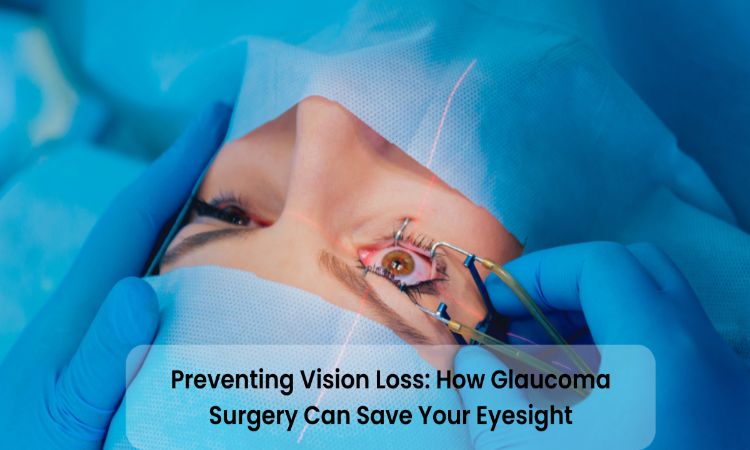

Glaucoma is one of those conditions that doesn’t make noise. Most people don’t even know they have it until their vision starts to fade. The damage it causes usually can’t be reversed. That’s why early treatment is so important. One option doctors use when eye pressure gets too high is glaucoma surgery.
Glaucoma surgery doesn’t bring your vision back. But what it can do is stop or slow down further damage. That’s a big deal for people at risk of losing sight. If you’re wondering how helpful glaucoma surgery really is, especially in the long run, this article will walk you through it.
What Does Surgery Do?
The main goal of glaucoma surgery is simple: lower the pressure inside the eye. This pressure, called intraocular pressure or IOP, builds up when fluid doesn’t drain the way it should. When that happens, the optic nerve starts to suffer. The surgery helps create a better path for the fluid to leave the eye.
There are a few types of glaucoma surgery. The most common is called trabeculectomy. There are also newer types called MIGS (minimally invasive glaucoma surgery). The one used depends on how advanced the condition is and what the doctor thinks will work best.
It’s Not a Cure, but It Works
It’s important to understand that glaucoma surgery won’t restore lost eyesight. Once vision is gone, it’s gone. But what surgery does well is help protect the vision you still have. For people who get it done in time, this can make a big difference.
How Well It Works Varies
Some people respond really well to the surgery. Their eye pressure drops and stays in a safe range for years. Others may still need to use eye drops even after surgery. And sometimes, the pressure starts to creep back up over time. In those cases, another surgery or more treatment might be needed.
Timing Is Key
The earlier glaucoma is caught, the better the outcome. If you wait too long, the surgery can still help, but there’s less vision left to save. That’s why doctors often recommend surgery when eye drops or lasers stop working. It’s not a last resort, it is often the next step in care.
What to Expect Afterward
Right after surgery, the eye will feel a bit sore. Vision may be blurry for a few days. Follow-up visits are important. The doctor checks if pressure is stable and watches for any problems. Most people can get back to normal activities in a week or two.
Final Thoughts
Glaucoma surgery is not about fixing what’s lost. It’s about holding on to what’s left. When done at the right time, it can help protect vision for years. If you or someone you know has glaucoma that isn’t responding to drops or other treatments, talk to a specialist. Surgery might be the right move.
