


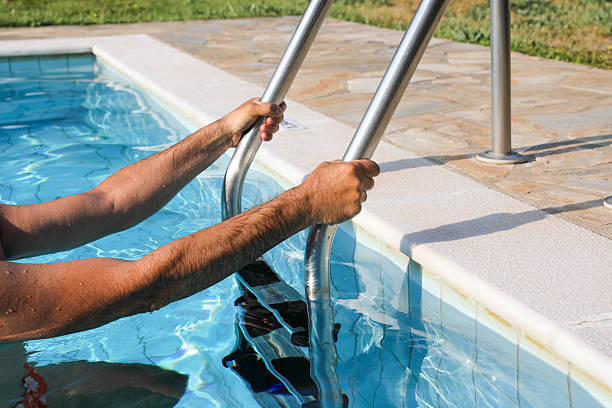

Swimming pool steps and ladders are the most frequently used entry and exit points, yet they are often the most neglected areas during routine maintenance. Because water circulation can be poor in these tight corners and crevices, they become prime breeding grounds for algae and bacteria. Over time, this buildup not only looks unsightly but also creates a significant safety hazard by making surfaces dangerously slippery. Keeping these high-traffic areas pristine is essential for both the aesthetics of your pool and the safety of your swimmers. This guide outlines the best methods to restore and maintain your pool steps and ladders.
Understanding the Hidden Dangers
While the open water of a swimming pool is easy to skim and vacuum, steps and ladders present unique challenges. The corners of stairs often have poor water flow, allowing dead zones to form where sanitizer levels drop. This environment is perfect for algae spores to latch onto the textured surfaces meant to provide grip. Once algae takes hold, it creates a slimy layer that is difficult to see but easy to slip on. Furthermore, ladders made of stainless steel or resin can accumulate scale and grime, which can eventually lead to corrosion or discoloration if not addressed promptly.
Essential Tools for Effective Cleaning
Before beginning the cleaning process, it is important to gather the right tools. Using improper equipment can damage your pool liner or scratch the finish of your steps. For fiberglass or vinyl-lined steps, a soft-bristle nylon brush is necessary to prevent tearing or scratching. For concrete or plaster steps, a stiffer wire-hybrid brush can be used to tackle tough algae.
You will also need a telescoping pole to reach deep steps without entering the water, although getting in the pool often provides better leverage. For ladders, a non-abrasive sponge or a scrubbing mitt is ideal for wrapping around the rails. If you are dealing with calcium deposits, a pumice stone (for concrete) or a specialized stain eraser (for vinyl) may be required.
Step-by-Step Cleaning Process
Cleaning steps and ladders requires a combination of elbow grease and chemical assistance. Following a systematic approach ensures that you remove not just the visible dirt, but the microscopic biofilm that causes rapid regrowth.
Manual Scrubbing Techniques
The most effective way to clean steps is vigorous manual scrubbing. Start at the top step and work your way down. This ensures that any debris you dislodge falls to the pool floor, where it can be vacuumed later. Apply firm pressure to the corners where the tread meets the riser, as this is where algae typically starts. For ladders, lift the escutcheon plates (the decorative rings at the deck level) and clean underneath them, as spiders and insects often hide there. Scrub the rungs thoroughly, paying attention to the underside of the treads where hands grip.
Applying Cleaning Solutions
Sometimes, brushing alone is not enough. If you encounter stubborn organic stains, you can apply a small amount of granular chlorine directly to the steps (for concrete pools) or use a specialized surface cleaner compatible with your liner. For metal ladders showing signs of rust, a mixture of baking soda and water or a mild acid solution can help restore the shine. Always wear gloves and protective eyewear when handling these chemicals, and ensure the pool pump is running to help disperse the solution after scrubbing.
Addressing Calcium and Scale Buildup
White, flaky deposits on your steps or ladder rails are likely calcium scale. This occurs when the pool water has high pH, high alkalinity, or high calcium hardness. Scale is not only unsightly but feels rough to the touch and can snag swimsuits.
Removal and Prevention
To remove scale from tile or concrete steps, a pumice stone is highly effective. Wet the stone and the surface, then rub gently until the deposit is gone. For vinyl steps or plastic ladders, use a vinegar solution or a commercial scale remover designed for pool use. Preventing this buildup requires consistent water balance. Test your water weekly and keep the pH between 7.4 and 7.6. If your water is naturally hard, using a sequestering agent can help keep minerals in solution rather than depositing them on your surfaces.
Integrating Automation for Maintenance
While steps and ladders usually require manual attention due to their complex shapes, the rest of the pool maintenance can be streamlined to prevent debris from settling on them in the first place. Keeping the overall sediment load low reduces the amount of dirt that ends up on your stairs.
The Role of Robotic Cleaners
Modern technology has made general pool hygiene significantly easier. While you focus on scrubbing the tight corners of the ladder, a robotic pool cleaner can handle the large open spaces. Some advanced models are even capable of climbing walls and cleaning the waterline, which helps agitate the water near the steps. By automating the bulk of the cleaning, you free up time to focus on the detail work that machines cannot yet perfect.
Cleaning Up the Debris
After you have scrubbed the algae and dirt off the steps, it will settle on the pool floor. If left there, it can restain the surface or promote new algae growth. It is crucial to remove this debris immediately. Using a high-quality pool cleaner vacuum is the most efficient way to capture this sediment. Unlike manual vacuuming which directs water to the filter, many independent units trap the debris internally, preventing it from clogging your main filtration system. Running a cycle immediately after scrubbing ensures that the contaminants are permanently removed from the water.
Preventing Future Growth
Once your steps and ladders are clean, the goal is to keep them that way. Circulation is your best defense against recurring algae. Direct your return jets (the “eyeballs” on the pool wall) toward the steps to improve water flow in that area. This constant movement of sanitized water makes it difficult for algae spores to settle.
Additionally, consider using a pool enzyme product. Enzymes break down non-living organic waste like body oils and sunscreen, which often accumulate on the waterline of steps where swimmers sit. By eliminating this food source, you reduce the likelihood of staining and bacterial growth. Finally, shock the pool regularly, especially after heavy use or rainstorms, to ensure your sanitizer levels are sufficient to kill any bacteria hiding in the crevices of your ladders.
Conclusion
Cleaning pool steps and ladders is a critical component of pool maintenance that directly impacts safety and hygiene. While it requires a hands-on approach, the effort pays off in the form of a safer, more inviting swimming environment. By using the correct tools, addressing chemical imbalances, and utilizing automated cleaners to handle the rest of the pool, you can keep these high-traffic areas pristine. A little attention to detail ensures that every entry into your pool is a slip-free and pleasant experience.
