


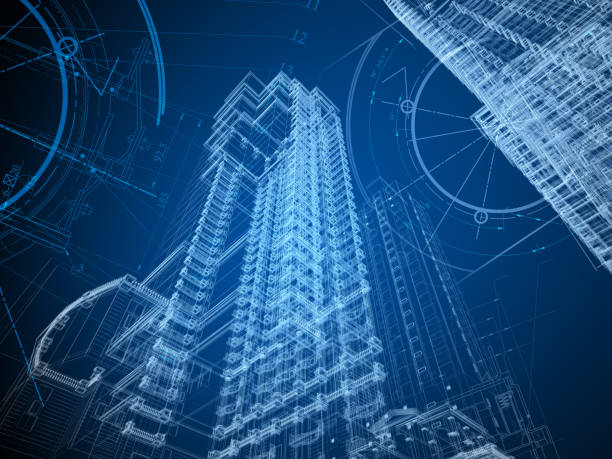

The exterior of your home is the first impression you make on visitors and passersby. It sets the tone for what’s inside and reflects your personal style. In recent years, contemporary home exterior design has gained immense popularity for its sleek lines, innovative materials, and minimalist aesthetics. Whether you’re building a new home or considering a facelift for your current facade, modern exterior ideas can transform your property into a stunning architectural masterpiece. Let’s explore some inspiring concepts and practical tips to elevate your home’s curb appeal with contemporary style.
What Defines a Contemporary Home Exterior?
Before diving into specific ideas, it’s important to understand what makes a facade “contemporary.” Contemporary design isn’t just about modern materials or colors; it’s a lifestyle expression characterized by simplicity, clean geometry, and harmony with the environment. Key features typically include:
- Clean, sharp lines with an emphasis on geometric shapes
- Neutral color palettes, often accented with bold or natural tones
- Large windows and glass panels to maximize natural light
- Use of natural and industrial materials like wood, stone, concrete, and metal
- Minimalist landscaping that complements the structure without overwhelming it
Now, let’s look at how these elements come together in real-world contemporary exterior designs.
1. Embrace Minimalism with Bold Geometry
One of the most striking elements of contemporary facades is their use of geometric shapes. Think rectangular volumes stacked or intersecting, flat or gently sloping roofs, and asymmetrical forms. This bold architectural language creates visual interest without clutter or excessive ornamentation.
For example, a combination of horizontal and vertical lines can be used to break up the facade, adding depth and texture. This can be achieved by using different materials on sections of the exterior—such as mixing smooth concrete panels with natural wood slats or stone accents.
2. Material Contrast for Visual Impact
Contemporary design loves mixing textures and materials for a dramatic effect. A common approach is pairing warm natural materials like wood or stone with cool industrial elements like steel or glass.
Imagine a facade clad in sleek dark metal panels paired with light-colored wood siding. The contrast not only highlights each material but also adds richness and dimension to the home’s exterior.
Another popular trend is the use of exposed concrete walls combined with lush landscaping or green walls. This raw, tactile finish brings an organic yet modern feel to the facade.
3. Large Windows and Glass Features
Modern facades often feature expansive glass windows and doors that blur the boundary between indoors and outdoors. Floor-to-ceiling windows or sliding glass walls invite natural light, enhance views, and make the home feel more spacious.
In addition, glass can be used in innovative ways — such as glass balustrades, canopies, or even translucent panels that offer privacy while allowing light to filter through.
When choosing windows, consider energy-efficient glazing to maintain comfort without sacrificing style.
4. Sleek, Flat, or Low-Pitched Rooflines
Contemporary homes usually steer clear of traditional steep roofs, instead opting for flat or gently sloping rooflines. These sleek roof designs enhance the geometric shapes of the structure and highlight horizontal lines.
Incorporating metal roof panels into these low-pitched roofs not only adds a modern industrial touch but also provides durability and energy efficiency. Additionally, flat or gently sloped roofs create practical opportunities for rooftop gardens or patios, expanding your outdoor living space without increasing the home’s footprint.
5. Monochromatic or Neutral Color Palettes with Pops of Accent
While bright colors have their place, contemporary exteriors often rely on neutral tones like white, gray, black, and beige. These colors emphasize the home’s architectural lines and materials.
Accent colors can be introduced through front doors, window frames, or exterior lighting. For example, a bold red door or deep blue trim can add personality without overwhelming the design.
6. Integrated Outdoor Lighting
Lighting plays a crucial role in contemporary facade design. Subtle, integrated lighting highlights architectural features and pathways, enhancing safety and curb appeal.
Consider LED strip lights along rooflines or recessed lights embedded in exterior walls. The goal is to create ambiance and drama while maintaining a clean look.
7. Sustainable and Smart Features
Modern facades increasingly incorporate eco-friendly elements such as solar panels integrated into the roof, green walls, and rainwater harvesting systems. Smart home technologies like motion sensors and automated lighting can blend seamlessly into the design, offering convenience without compromising aesthetics.
Practical Tips to Get Started
- Plan for harmony: Your facade should complement the surroundings and fit within your neighborhood context.
- Focus on quality materials: Invest in durable, low-maintenance materials that age well.
- Think about landscaping: Minimalist landscaping with native plants, gravel, and sleek planters can enhance your facade.
- Consult with a professional: An architect or exterior designer can help balance style, function, and budget.
Final Thoughts
Contemporary home exterior design is about more than just looks; it’s a reflection of modern living — simplicity, sustainability, and seamless indoor-outdoor connections. By embracing clean lines, contrasting materials, and smart design choices, you can create a facade that not only turns heads but stands the test of time.
Ready to give your home a fresh new look? Start with these modern facade ideas and watch your curb appeal soar!
