



Introduction
In today’s educational landscape, where technology and sedentary lifestyles are increasingly common, schools are vital in promoting physical activity to foster healthy development in children. School gyms are integral to this objective, serving as places for structured physical education and as venues for extracurricular activities and community engagement. Central to the functionality and effectiveness of these spaces is the choice of school gym flooring. This seemingly simple element of gym design influences safety, performance, and the overall appeal of physical activities to students.
Delving into the multifaceted role of gym flooring unveils how critical it is in promoting physical activity. The right flooring choices can profoundly impact students’ physical education experiences, from ensuring safety to enhancing performance and encouraging participation. Understanding these impacts can guide schools in making educated decisions that benefit students’ physical and psychological health.
The Importance of Quality Gym Flooring
Quality gym flooring is not merely an aesthetic consideration but a cornerstone of safety and performance in school athletic programs. A well-constructed flooring system minimizes the risks associated with athletic activities by providing a stable, slip-resistant surface that effectively absorbs impact. This is particularly important because young children have different coordination and strength levels, making them more susceptible to injuries. Therefore, a robust flooring foundation decreases the likelihood of falls and injuries, creating a safer environment that encourages greater participation in sports and exercises.
Furthermore, high-quality flooring enhances athletic performance by offering optimal traction and the right amount of cushioning. This setup allows students to execute various physical movements efficiently, from jumps and sprints to dance and stretching, without experiencing unnecessary strain on their joints and muscles. The performance benefits afforded by excellent flooring facilitate an engaging PE experience, where students can focus on learning and enjoyment rather than worrying about their safety. Enhanced performance, in turn, leads to more positive sports experiences, fostering a love for physical activities. Additionally, teachers and coaches can confidently introduce more varied and complex physical education programs, knowing that the flooring can support the demands of these activities.
Materials Best Suited for School Gyms
Choosing the right material for gym flooring requires a comprehensive understanding of the school gym’s specific needs and usage patterns. Different materials offer distinct benefits, making them more suitable for certain activities. Rubber flooring, for instance, is favored for its exceptional durability and shock absorption, particularly beneficial in multi-purpose gyms. It provides a resilient surface to handle the wear and tear from various sports activities and non-sport events.
Vinyl flooring, on the other hand, is appreciated for its versatility and ease of maintenance. It offers an excellent balance of durability and aesthetic appeal, making it suitable for gymnasiums that host a variety of activities outside traditional sports, such as assemblies and events. Meanwhile, hardwood flooring remains a popular choice for sports like basketball and volleyball due to its traditional look and superior performance characteristics. The gym’s intended use, maintenance capabilities, and budget should determine the choice between these materials, ensuring a tailored fit for long-term benefits. It’s crucial to consider acoustic properties, as some materials can better absorb sound, reducing noise levels during activities that enhance concentration and communication.
Promoting Active Lifestyles Through Gym Design
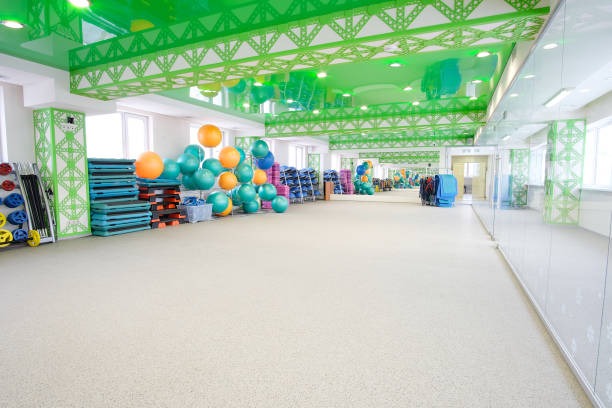
The design and layout of a gymnasium are critical in incentivizing students to engage in physical activity. A well-thought-out gym design enhances the space’s functionality and stimulates motivation among students. By combining strategic lighting, vibrant wall colors, and appropriately arranged equipment, schools can transform their gyms into welcoming spaces that invite activity rather than deter it. Such environments nurture an energetic spirit conducive to enjoying and exploring various physical activities.
Incorporating elements that align with popular fitness trends, such as indoor climbing walls, yoga spaces, or cross-training zones, can also significantly boost student participation. Integrating these features provides variety and choice, allowing students to explore different activities per their preferences, thus instilling a habit of regular physical engagement. The experiential diversity offered by these designs can become a major driver in promoting a culture of health and wellness within the school. Moreover, involving students in the design process and soliciting feedback can create a stronger sense of ownership and pride in their school’s facilities, encouraging further engagement and respect for the space.
Long-term Benefits of Investing in Quality Gym Infrastructure
Investing in quality gym infrastructure is a strategic decision that pays dividends far beyond initial costs. Besides improving safety and enhancing physical activity, it fosters a positive school culture around health and fitness. Quality gym facilities signal a school’s commitment to student well-being, which can positively affect student perception, satisfaction, and academic performance. These improved perceptions enhance a school’s reputation, potentially attracting more students and fostering a supportive community environment.
On a macro level, gyms that support active lifestyles can instill lifelong health habits in students. A commitment to quality infrastructure prioritizes physical education, encouraging students to integrate physical activity into their daily routines. As these students mature, the skills and habits developed in these environments translate into healthier lifestyle choices, reducing health risks and contributing to overall community well-being. This long-term outlook underscores the value of investing in and maintaining superior gym infrastructure. Additionally, well-designed gyms can lead to better overall utilization of school spaces, making them community hubs that offer health and wellness programs accessible to students, staff, and even local residents.
Conclusion
The role of gym flooring in promoting physical activity in schools extends beyond simple surface considerations. It is a foundational element that interweaves safety, performance, and enjoyment into a cohesive sporting experience. By prioritizing the quality and functionality of gym flooring, schools can significantly influence students to lead active and healthier lives. This investment is not only in facilities but also in the future, equipping students with the habits and tools needed to maintain physical activity throughout their lives. Ultimately, a quality gym environment contributes to forming resilient, active, and engaged individuals who value the benefits of physical fitness. As educators and administrators continue to recognize physical activity’s profound influence on academic success and personal growth, the importance of top-notch gym facilities becomes even more apparent, encouraging schools to embrace this essential aspect of education.
